
Changing jobs as an actuary in 2026: pay, counteroffers and non-competes
What actuaries ask for to move, how counteroffers tend to play out, where non-competes still apply, and the paperwork for moving to the US or Bermuda.

In short
- In our own conversations, actuaries ask for a median uplift of about 11% in total pay to move. The middle half ask for between 6% and 18%.
- Across the US workforce, people who switch jobs are getting bigger raises than people who stay. In August 2026, the Atlanta Fed's Wage Growth Tracker put median wage growth at 5.0% for job switchers against 3.6% for stayers.
- The FTC's nationwide ban on non-competes is gone, but states and provinces set their own rules. California and Minnesota ban most non-competes, Washington's ban starts in June 2027, and Ontario has banned them since 2021.
- Expect a counteroffer if you are good at your job. In a 2018 Robert Half survey, 58% of hiring managers said they make them. Decide what would make you stay before you resign, not after.
Actuaries tend not to change jobs often. The credential takes years, the work is specialised, and good teams hold on to good people. In our experience, many of the people we speak with are making their first move in five or ten years. This is a practical guide to what a move looks like in 2026: the money, the paperwork and the conversations.
What it takes to move: the money
Many of the actuaries we speak with tell us what they earn now and what it would take for them to move. Where they have shared both figures on the same basis, the median uplift they ask for is about 11% of total pay. The lower quartile is about 6% and the upper quartile about 18%.
Wider data points the same way. The Federal Reserve Bank of Atlanta's Wage Growth Tracker showed median wage growth of 5.0% for job switchers against 3.6% for job stayers in August 2026. ADP's pay data for the same month showed base pay up 4.7% year on year for job changers against 3.0% for people who stayed. These cover all workers, not only actuaries. Our own figure measures what actuaries ask for rather than what they receive, but it points the same way.
Three things tend to push the number up:
- A step up in level. Moving from Actuary to AVP, or from Associate Actuary to Actuary, is usually worth more than a like-for-like move. Our title guide explains how the levels compare.
- A change of sector. In the Pay Index, reinsurers pay about 7% more base than life and annuity insurers for the same credential and experience, and health insurers and consultancies about 3% more.
- A move to a higher-cost location. In the Pay Index, which uses the pay ranges employers set for the same role in different locations, New York, Hartford, Boston and similar metros pay up to about 10% above the national figure.
And a few things can matter more than base: unvested bonus or long-term incentives you would leave behind, exam support if you are still sitting exams, and whether the role is hybrid. A good offer accounts for all of them.
Counteroffers
If you are good at your job, expect your employer to try to keep you. In a 2018 Robert Half survey of 5,500 hiring managers, reported by SHRM, 58% said they make counteroffers to keep employees who receive other offers. The same survey found that employees who received counteroffers stayed with their employer for less than two years on average. A 2017 Korn Ferry Hay Group study of 120 companies, also reported by SHRM, found only 3% had a formal counteroffer policy, which means most companies decide counteroffers case by case. The figures are from 2018 and cover all industries, not only actuaries.
A counteroffer is not always wrong to accept. Sometimes it fixes a real problem. But it rarely fixes the reason you started looking, and by then your manager knows you were ready to leave. Before you resign, write down what would make you stay. If your employer could offer that, have the conversation before you start interviewing. If they couldn't, you already know your answer.
Non-competes and restrictive covenants
The rules changed a lot in the last two years, and they now depend heavily on where you work.
United States
- There is no federal ban. The FTC's 2024 rule was set aside by a Texas federal court on 20 August 2024. The FTC dropped its appeals on 5 September 2025 and formally removed the rule on 12 February 2026. It has since moved to case-by-case action against non-competes it sees as unfair.
- California treats non-competes as void wherever and whenever they were signed. Since 1 January 2024 employees can sue over them.
- Minnesota has banned new non-competes since 1 July 2023.
- Washington passed a broad ban in March 2026. It takes effect on 30 June 2027 and also covers existing agreements.
- Virginia, since 1 July 2026, will not enforce a non-compete against an employee dismissed without cause unless the employer provides severance or other payment that was disclosed when the agreement was signed.
- Massachusetts caps non-competes at 12 months and requires garden-leave pay of at least 50% of base salary, or other agreed consideration.
- Florida went the other way. Its CHOICE Act, in force since 1 July 2025, allows non-competes and garden-leave periods of up to four years for employees earning more than twice the annual mean wage of the Florida county where the employer is based.
- New York has no statute yet. A bill passed the State Senate in June 2026 but has not passed the Assembly.
Canada
- Ontario has banned non-competes since 25 October 2021, with exceptions for the sale of a business and for C-suite executives. Agreements signed before that date are not covered.
- A federal bill, C-31 (the Budget 2025 Implementation Act, No. 2), would ban them for most employees in federally regulated industries such as banking and telecoms. It would not reach most actuaries, because insurers and consultancies fall under provincial employment law even when OSFI supervises the insurer. It was in committee as of September 2026 and is not law.
Non-solicitation and confidentiality clauses remain enforceable in most places, and in a market this small they can decide where you are able to work next. Read your contract before you resign, and if a restriction could affect your next role, get advice from an employment lawyer. This article is general information, not legal advice.
Timing and notice
In the US, two weeks' notice is the usual convention for most roles below executive level, though your contract may say otherwise. Check your own contract, especially in Canada and Bermuda, and plan further ahead for senior roles.
Two timing points are worth planning for:
- Bonus timing. If your bonus pays in March, resigning in February can cost you a year's bonus. Some employers will buy out a forfeited bonus, but you need to raise it early.
- Exam sittings. Try not to start a new job in the final weeks before a sitting. Ask how your new employer's study time and exam support work before you accept.
Moving country
- Canada to the US: Canadian citizens who are actuaries can use the TN category under USMCA as mathematicians, which needs a bachelor's degree, and must also meet the recognition requirements of a professional actuarial association in a USMCA country.
- Other international moves to the US: the H-1B cap now runs a wage-weighted lottery, so offers at higher government wage levels get more entries. A September 2025 proclamation added a $100,000 fee to certain new H-1B petitions, mainly for workers outside the US, and was extended in September 2026. As of 21 September 2026, a federal court order was blocking collection of the fee. This is changing quickly, so check the current position with an immigration lawyer.
- Bermuda: the Government's work permit policy has a specific section for actuaries. If the role requires an actuarial designation, the applicant has at least three years' relevant experience, the post was advertised, the application is complete and the employer can prove the applicant's credentials, a new permit will be processed within 10 working days, provided the post does not need referral to a statutory body and the employer emails the Department of Immigration once the application is submitted. The fast track has been extended to 31 July 2027. Standard permits run for one to five years, and Bermuda scrapped work permit term limits in 2013. Our guide to moving to Bermuda covers permits, tax and housing in detail.
Immigration rules change often, and this section is general information, not immigration advice. Check the current position with an immigration lawyer or the relevant government department before you rely on it.
A short checklist before you resign
- Get the offer in writing, including base, bonus target, any sign-on or buy-out, exam support and start date.
- Check your contract for notice, non-compete, non-solicit and bonus clawback terms.
- Know your number: what total package would make the move clearly worth it, and what would make you stay.
- Resign in person or by phone first, then in writing. Keep it short and positive.
- Plan your handover. The actuarial world is small, and you will work with these people again.
If you are weighing a move, or want to know what your profile is worth before you start looking, get in touch. Everything we discuss stays confidential. You can also check your number on the Pay Index.
Sources
- CTS Actuarial Pay Index, "what it takes to move" figure: median and interquartile range of the uplift in total pay asked for by actuaries in CTS conversations where candidates shared current and expected pay on the same basis, September 2026.
- Federal Reserve Bank of Atlanta, Wage Growth Tracker, August 2026 data (updated 10 September 2026).
- ADP National Employment Report, 2 September 2026.
- SHRM, "Do Counteroffers Make Sense?", 1 October 2018 (Robert Half and Korn Ferry Hay Group findings).
- Federal Register, removal of the FTC Non-Compete Clause Rule, 12 February 2026; FTC press release, 5 September 2025; Cooley, FTC shifts to case-by-case scrutiny of non-competes, October 2025.
- State law summaries: Wilson Sonsini (California); Stinson (Minnesota); DLA Piper (Washington); Akin (Virginia); Massachusetts General Laws c.149 §24L; Florida Senate bill summary (CHOICE Act); New York Senate bill S9759.
- Government of Ontario, non-compete agreements; LEGISinfo, Bill C-31; Hicks Morley, Bill C-31 non-compete ban, May 2026.
- 8 CFR 214.6 (TN classification); Fragomen, FY2027 H-1B cap; DiRaimondo & Schroeder, H-1B fee update, 21 September 2026.
- Government of Bermuda, Work Permit Policy (revised 1 May 2026); Royal Gazette, Actuary work permit policy extended, 30 July 2026; Bernews, Government Eliminates Term Limit Policy, 30 January 2013.
About the author

Sho Temma is an Associate in Candidate Relations at Concordia Talent Solutions, a specialist actuarial and insurance recruitment firm. He works with actuaries across the US, Canada, Bermuda and Asia on their careers and next moves, and writes CTS Insights on actuarial pay, hiring and regulation.
More insights
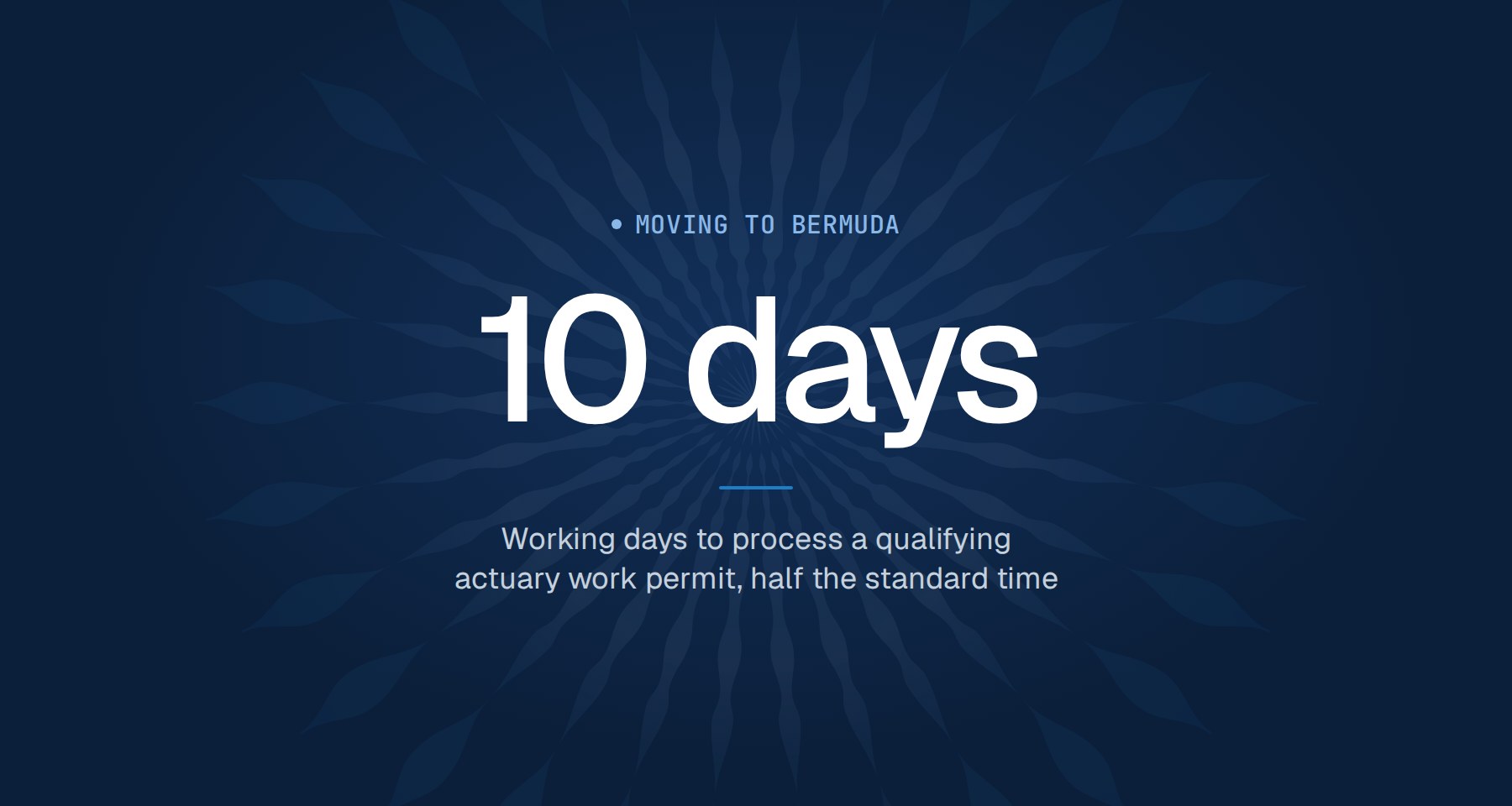
What a move to Bermuda involves for actuaries: the work permit fast track, payroll tax and deductions, rents and schools, and your US or Canadian tax.
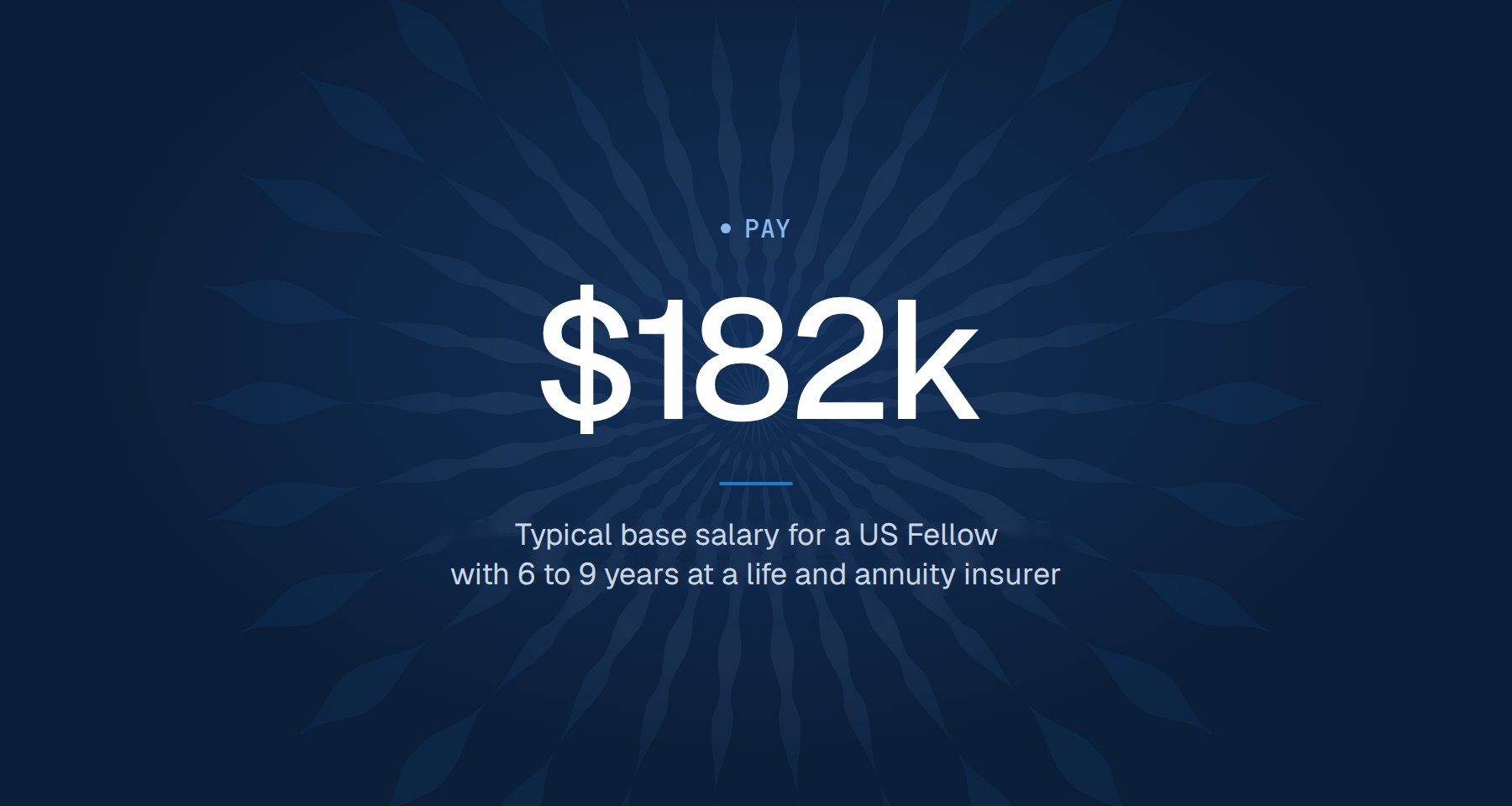
Typical base pay for US actuaries by credential, experience, sector and city, plus bonus targets and pay in Canada and Bermuda, from the CTS Pay Index.

Titles mean different things at insurers, reinsurers, consultancies and Big 4 firms. How the levels line up and what each pays in the US, Canada and Bermuda.

Bermuda's long-term insurers hold $1.5 trillion of assets. How the market is growing, how the rules are tightening, and which actuarial skills it needs.
Let's talk about the role you can't fill
Whether you are hiring an actuary or quietly weighing up your next move, the first conversation is confidential and costs nothing.